
Orthodontics (from the Greek orthos, meaning straight and odous meaning teeth) is the first specialty in the dental field that deals with malocclusion problems (incorrect bites), which can be the result of irregularities of the teeth, disproportionate relationships between the jaws, or both.
Current orthodontic treatment is not only done for purely aesthetic reasons in order to improve the patient's dental appearance, but also taking into account the patient's overall facial appearance. Therefore, there is a double benefit of orthodontics.
Modern orthodontics
The use of digital models in orthodontics is becoming more common as the industry clearly transitions from analog to digital.
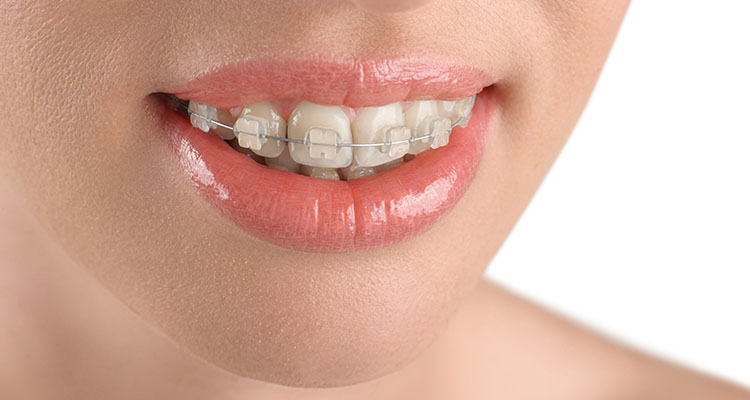
Orthodontic treatment involves the use of several types of orthodontic appliances. In general, with fixed braces, the method is to insert metal arches (wires) into orthodontic brackets, which can be made of both metal and more aesthetic ceramic materials.
Other treatment methods may include:
1. Invisalign, which consists of a series of clear trays called aligners, designed to straighten and align, but requires more patient involvement than traditional braces and in most cases, is not an alternative to braces. Our orthodontists will be able to tell you if Invisalign is the right solution for you.
2. Incognito – dental braces with brackets on the lingual (inner) side of the teeth, made of gold alloy, 100% personalized on the patient's teeth and invisible to those around them.
Additional components such as removable appliances, distalizers, disjuncts, caps, and many others can be used to adjust teeth and jaws.
This form of treatment, called Dento-Facial Orthopedics, is often followed by fixed orthodontic treatment, with braces, to align teeth and correct the bite.
Orthodontics is the branch of dentistry that deals with the treatment of malocclusions and crowded teeth. Orthodontics can help you straighten and align your teeth correctly.
Orthodontists typically use braces and retainers to correct your dentofacial problems.
After a phase of active orthodontic treatment, patients will typically wear retainers, which hold the teeth in their new position until bone tissue forms around them. These retainers are usually worn permanently for 6 months to 1 year, then at night for as long as the orthodontist deems necessary.
It is possible to keep your teeth straight without having to wear a retainer regularly. However, there are many reasons why teeth become crowded as a person ages, regardless of whether they have had prior orthodontic treatment (e.g. wisdom teeth). So there is no guarantee that your teeth will stay straight without a retainer.